Understanding Dementia: An Overview
Dementia is an umbrella term that encapsulates a range of neurological conditions characterized by the deterioration of cognitive function. This decline significantly impacts an individual’s ability to engage in everyday activities and affects not only the person diagnosed but also their caregivers and family members. Understanding dementia is paramount for communities like Haldimand, which are increasingly facing an aging population. Given the growing incidence of cognitive impairment, embracing comprehensive local resources, such as dementia haldimand, is essential for effective care.
What is Dementia and Its Impact?
Dementia refers to a set of symptoms affecting memory, thinking, and social abilities severe enough to interfere with daily life. The impact of dementia extends beyond cognitive decline; it can lead to behavioral changes, emotional distress, and loss of independence for individuals. Caregivers often bear significant emotional and physical burdens, necessitating support systems and resources to manage these challenges effectively.
Common Types of Dementia Related to Aging
As individuals age, the risk of developing dementia increases, with several types commonly impacting older adults:
- Alzheimer’s Disease: The most prevalent form, characterized by memory loss and cognitive decline.
- Vascular Dementia: Often a result of strokes, it affects blood flow to the brain.
- Lewy Body Dementia: Associated with abnormal protein deposits in brain cells, leading to varied symptoms.
- Frontotemporal Dementia: Characterized by changes in personality and behavior before cognitive impairment.
The Importance of Early Diagnosis and Support
Early diagnosis is crucial in dementia management as it allows for the timely implementation of care strategies and planning. Awareness campaigns and screenings within communities can help identify early signs of dementia, fostering a supportive environment that can significantly improve quality of life.
Challenges Faced by Dementia Caregivers
Caregivers play a vital role in the lives of those with dementia, but the emotional and physical demands of caregiving can lead to burnout and stress. Recognizing the challenges they face is essential for promoting healthier caregiving practices.
Identifying Caregiver Burnout and Stress
Caregiver burnout can manifest through fatigue, irritability, and feelings of isolation. It is vital for caregivers to recognize these signs and seek support, whether through respite care or community resources, to help manage their responsibilities.
Common Misconceptions about Dementia
Misunderstandings about dementia can hinder effective communication and support. Some common misconceptions include the belief that all older adults will develop dementia or that dementia is a natural part of aging. It’s critical to promote accurate information to foster understanding and empathy.
Balancing Professional Care and Family Dynamics
Finding the right balance between professional care and family involvement is often a complex task. Establishing clear roles, boundaries, and open communication among family members can facilitate a more harmonious caregiving experience, ensuring that the individual with dementia receives comprehensive care.
Best Practices for Dementia Care in Haldimand
Implementing best practices in dementia care involves creating an environment that fosters safety, comfort, and engagement for individuals affected by cognitive decline. Here are several strategies to consider:
Creating a Safe and Comfortable Environment
Safety should be the foremost priority when caring for someone with dementia. This can be achieved through:
- Removing trip hazards and clutter
- Installing adequate lighting
- Using labels and signs for key areas in the home
Engagement Activities to Stimulate Memory
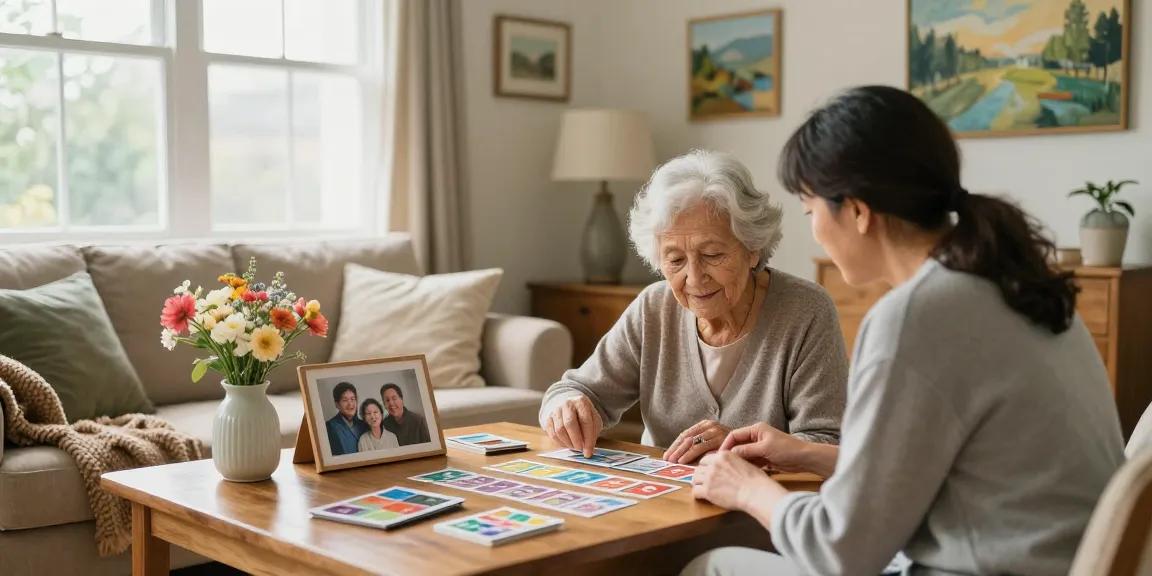
Engaging individuals in memory-stimulating activities can significantly enhance their quality of life. Activities such as puzzles, music therapy, and reminiscence therapy not only provide enjoyment but also help maintain cognitive function.
Utilizing Community Resources and Support Groups
Communities in Haldimand can enhance dementia care through the active utilization of local resources and support groups. These networks provide crucial assistance to caregivers and those living with dementia, offering both emotional support and practical tips for managing daily challenges.
Innovative Approaches in Dementia Care for 2026
As the field of dementia care evolves, innovative approaches continue to emerge, promising improved outcomes for both patients and caregivers.
Technology Integration in Care Strategies
Incorporating technology into dementia care can streamline processes and enhance communication. From telehealth services to wearable devices that monitor health metrics, technology offers new avenues for delivering effective care.
Personalized Care Plans for Residents
Personalized care plans that consider individual preferences, medical history, and lifestyle can significantly improve the effectiveness of care. Collaborative efforts among healthcare providers, caregivers, and family members are essential in developing these tailored plans.
Future Trends in Dementia Research and Care
Research into dementia is rapidly advancing, with promising areas including gene therapy, pharmaceutical developments, and innovative therapeutic techniques. Staying informed about these trends can empower caregivers to adopt groundbreaking strategies in their caregiving practices.
Measuring Outcomes and Success in Caregiving
Effective caregiving requires continual assessment of outcomes and success. Implementing measurement strategies is vital for improving care quality and supporting the well-being of both caregivers and patients.
Key Performance Indicators for Dementia Care
Identifying key performance indicators (KPIs) helps gauge the effectiveness of dementia care. These may include:
- Patient engagement and participation rates
- Frequency of caregiver respite
- Reduction in hospital admissions
Collecting Feedback from Families
Engaging with families to collect feedback can provide insights into care effectiveness. This feedback loop can help identify areas needing improvement, ultimately leading to enhanced care delivery.
Adapting Strategies Based on Patient Progress
Care strategies should evolve based on patient progress and changing needs. Regular assessments ensure that care remains relevant and effective, adapting to the individual’s current condition.
What are the early signs of dementia?
Awareness of early signs of dementia such as memory loss, difficulty completing familiar tasks, and changes in mood or personality can prompt early diagnosis and intervention, benefiting both the individual and their caregivers.
How can communities support dementia initiatives?
Communities can play a pivotal role in supporting dementia initiatives by providing training for caregivers, hosting awareness campaigns, and developing resource centers that offer access to information and support networks.
What resources are available for Haldimand caregivers?
In Haldimand, caregivers can access a variety of resources including support groups, respite care services, and educational programs designed to enhance caregiving skills and promote well-being.
How can families best communicate with loved ones with dementia?
Effective communication with individuals with dementia requires patience, clear language, and non-verbal cues. Familiarity and routine can also help ease conversations and reduce frustration.
What are the benefits of engaging patients in memory activities?
Engaging patients in memory activities not only fosters cognitive stimulation but also enhances emotional well-being, reduces anxiety, and provides opportunities for connection with caregivers and family members.