Understanding Appliance Repair Vaughan
In Vaughan, the reliance on modern appliances has become indispensable for households and businesses alike. From refrigerators to washing machines, these essential devices significantly enhance convenience and efficiency in our daily lives. However, when they malfunction, the disruption can be considerable. Understanding the nuances of Appliance Repair Vaughan is crucial for every homeowner, ensuring that they can address issues swiftly and effectively.
What is Appliance Repair?
Appliance repair refers to the process of diagnosing and fixing issues with household appliances. This can encompass everything from minor fixes, like replacing a door seal on a refrigerator, to major repairs such as replacing the compressor or motor. A professional repair service typically involves the use of specialized tools and techniques aimed at restoring the appliance to its optimal working condition.
Importance of Professional Repair Services
Engaging a professional repair service is vital for numerous reasons, including:
- Expertise: Professionals possess the training and experience necessary to accurately diagnose and resolve appliance issues.
- Safety: Many appliances operate using electricity or gas, making repairs potentially hazardous for untrained individuals.
- Efficiency: Skilled technicians can often complete repairs more quickly than a DIY approach, minimizing downtime.
- Warranty Protection: Attempting DIY repairs can void warranties on many appliances, whereas professional services maintain warranty coverage.
Common Appliances in Need of Repair
Various household appliances often require maintenance and repair, including:
- Refrigerators: Common issues include failure to cool, excessive noise, and door seal problems.
- Washing Machines: Issues may involve leaks, failure to spin, or error codes on digital displays.
- Ovens: Malfunctions can include uneven cooking, temperature inaccuracies, and ignition failures.
- Dishwashers: Typical problems include inadequate cleaning, draining issues, and door latch failures.
Stage 1: Diagnosing Appliance Issues
The diagnosis is the first critical stage in the repair process, helping to identify the underlying problems affecting the appliance.
Identifying Common Problems
Understanding the common symptoms of appliance issues can help in diagnosing problems accurately. For instance, a washing machine that doesn't drain may have a blocked filter, while a refrigerator that leaks could have a damaged door seal. Recognizing these issues early can prevent further damage.
Tools and Techniques for Diagnosis
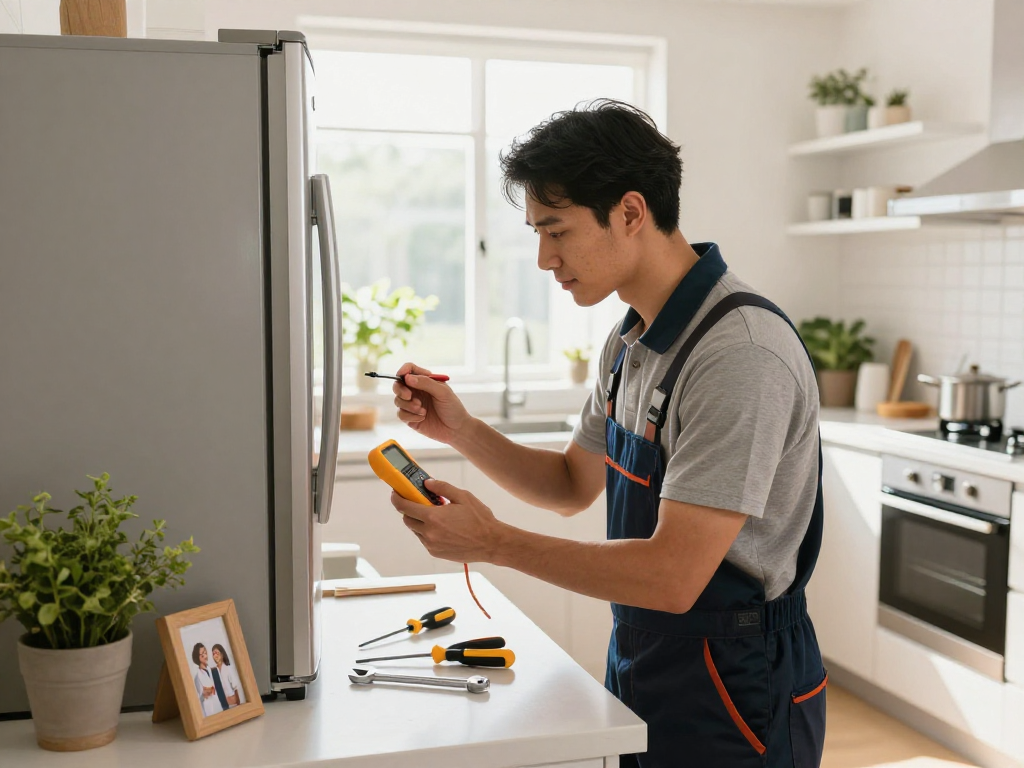
Repair technicians utilize various tools to diagnose appliance faults, including:
- Multimeters: Used to test electrical components and determine if they are functioning properly.
- Manifold Gauges: Essential for diagnosing issues in refrigeration systems.
- Diagnostic Software: Some modern appliances come with built-in diagnostics that technicians can access for error codes.
When to Call a Professional
Deciding when to hire a professional can be challenging. Generally, if an appliance exhibits persistent problems, if electrical components are involved, or if the issue requires specialized tools, it is advisable to contact a repair service. Ignoring issues can lead to safety hazards and higher repair costs down the line.
Stage 2: Performing Effective Repairs
Once the diagnosis is complete, the next stage involves implementing effective repair solutions.
Step-by-Step Repair Processes
The repair process usually follows a structured approach. For instance, repairing a malfunctioning washing machine might involve the following steps:
- Disconnect the power supply and water source.
- Remove the access panel to gain access to internal components.
- Inspect and replace faulty parts as needed, especially if they are confirmed as the source of the issue.
- Reassemble the appliance and test it to ensure proper functionality.
Best Practices for DIY Repairs
Homeowners may attempt DIY repairs when they feel confident. Best practices include:
- Consulting User Manuals: Manuals often provide troubleshooting guides and part lists.
- Watching Tutorial Videos: Online platforms host numerous repair guides tailored to specific appliances.
- Always Prioritizing Safety: Use appropriate personal protective equipment and ensure the appliance is unplugged before starting any work.
Safety Precautions to Consider
Safety is paramount during appliance repairs. Considerations include:
- Turning off power to the appliance at the circuit breaker.
- Avoiding the use of sharp tools in confined spaces.
- Ensuring you have adequate ventilation when working with gas appliances.
Stage 3: Preventive Maintenance Techniques
Taking proactive steps to maintain appliances can significantly extend their lifespan and save costs in the long run.
Regular Maintenance Tips for Homeowners
Homeowners should adopt regular maintenance routines, such as:
- Cleaning appliance filters and vents monthly.
- Checking for leaks and any signs of wear and tear.
- Scheduling annual professional check-ups for major appliances.
How to Extend Appliance Lifespan
Extending the lifespan of appliances can be achieved through various strategies:
- Setting appliances to their recommended settings to avoid overworking them.
- Keeping appliances clean and free of clutter, which ensures proper airflow.
- Avoiding overloading appliances, which can lead to premature wear and tear.
Choosing Quality Parts for Repairs
When repairs are necessary, selecting high-quality replacement parts is imperative. This ensures longevity and reliability. It’s advisable to opt for OEM (original equipment manufacturer) parts when available, as they are designed to meet the exact specifications of the appliance.
Stage 4: Future Trends in Appliance Repair Vaughan
The appliance repair industry is evolving, with new trends emerging that impact both consumers and technicians.
Technological Advances in Appliance Repair
With the rise of smart appliances, technicians are adopting advanced diagnostic tools and software. These innovations allow for more precise troubleshooting and quicker repairs.
Eco-Friendly Repair Practices
As environmental concerns grow, many repair companies are incorporating eco-friendly practices. This includes using sustainable parts, recycling older appliances, and promoting energy-efficient models.
The Impact of Smart Appliances on Repair Services
Smart appliances provide data that can simplify diagnostics. However, they also require technicians to stay abreast of evolving technology and software updates, which can be a challenge in training and resource allocation.
What Should I Look for in an Appliance Repair Service?
When selecting a repair service, consider:
- Licensing and insurance to ensure they are qualified to work on your appliances.
- Customer reviews and ratings which provide insight into their reliability and service quality.
- Warranty on repairs, which can offer peace of mind about the quality of the work performed.
How to Estimate Repair Costs?
Estimating repair costs generally involves assessing parts and labor. Common strategies include:
- Requesting quotes from multiple service providers.
- Researching the average costs for specific repairs to avoid overcharging.
- Understanding the pricing structure, including whether they charge flat rates or hourly rates.
What Are the Most Common Appliance Issues?
Common appliance issues often include:
- Electrical failures, which may stem from faulty wiring or components.
- Mechanical failures, which often involve moving parts that wear out over time.
- Inconsistent performance, which may indicate underlying problems with control systems or sensors.
How Can I Maintain My Appliances Longer?
In addition to regular maintenance, ensuring proper usage is key. This includes following manufacturer guidelines and avoiding misuse or overuse.
When Should I Replace Rather Than Repair My Appliance?
Replacement is often more cost-effective than repair when:
- The appliance is older than its expected lifespan.
- The overall repair costs exceed the value of the appliance.
- Repeated repairs are necessary within a short time frame.
Why Choose Professional Appliance Repairers?
Professional appliance repairers offer numerous benefits, including expertise, efficient service, and warranty protection. For more information, Washer Repair Vaughan offers valuable insights. They not only resolve the immediate issues but also provide insights into preventing future problems.