Understanding Mold: Causes and Risks in West Vancouver
Mold is a pervasive problem, especially in regions like West Vancouver where the coastal climate creates ideal conditions for its growth. Understanding the factors that contribute to mold development and the associated risks is crucial for homeowners and businesses alike. This article delves into the nature of mold, its health implications, and the prevalent sources of mold growth in West Vancouver homes. When exploring options, Mold Remediation West Vancouver offers comprehensive insights into how to effectively manage and remediate mold issues in your property.
What is Mold and Why is it a Problem?
Mold is a type of fungus that thrives in damp, humid environments. It reproduces through tiny spores that can become airborne and spread quickly. While some strains of mold are harmless, others can pose serious health risks and cause significant property damage. Mold is not just an aesthetic concern; it can affect indoor air quality and lead to structural damage if not addressed promptly.
Health Effects of Mold Exposure
Exposure to mold can trigger a range of health issues, particularly for individuals with existing respiratory conditions, allergies, or weakened immune systems. Common health effects include:
- Respiratory issues such as asthma attacks
- Sinus congestion and irritation
- Skin rashes and irritation
- Eye irritation and watery eyes
- Chronic cough and sneezing
In severe cases, exposure to toxic mold varieties like black mold can lead to more serious health complications, necessitating urgent remediation efforts.
Common Sources of Mold Growth in Vancouver Homes
Vancouver’s damp climate combined with older buildings often leads to mold growth in various areas. Common sources include:
- Leaky roofs and plumbing
- Condensation on windows
- Basements and crawl spaces with poor ventilation
- Ventilation systems that promote moisture accumulation
- Flooding or water damage from heavy rains
Identifying these sources is crucial in preventing mold outbreaks and maintaining a healthy home environment.
Signs You Need Mold Remediation in Vancouver
Visible Mold Growth: Where to Look
Visible signs of mold can often be found in areas that retain moisture. Check places such as:
- Behind wallpaper and drywall
- Under sinks and around plumbing fixtures
- Inside cabinets and closets
- On ceiling tiles and bathroom surfaces
Any dark spots or discoloration in these areas may indicate mold growth that requires immediate attention.
Unusual Odors and Deteriorating Surfaces
A musty smell within your home can be a strong indicator of mold presence. Additionally, surfaces that are warping, peeling, or discoloring might also suggest underlying mold growth. If you notice these signs, it’s essential to act quickly to prevent further damage.
When to Call for Professional Help
If you encounter visible mold growth, experience health issues related to mold exposure, or discover persistent moisture problems, it’s time to call in professionals. Ignoring the early signs can lead to more significant problems and costly repairs later on.
The Mold Remediation Process: Steps to Take
Initial Inspection and Assessment Techniques
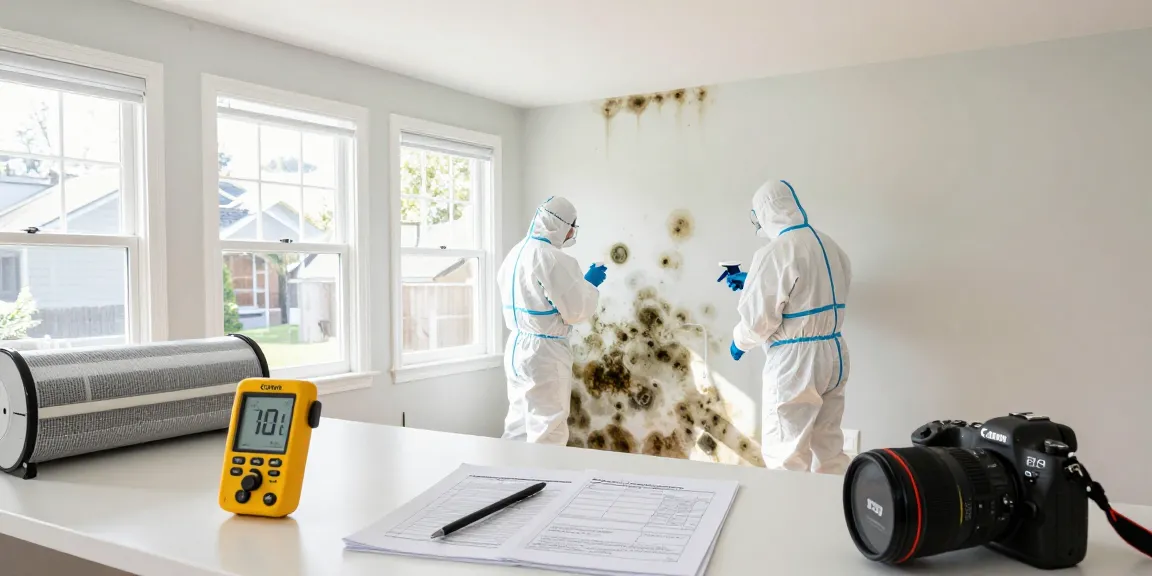
The first step in the mold remediation process is a thorough inspection and assessment by certified professionals. They will use advanced tools to detect hidden mold and identify moisture levels. This includes moisture mapping and air quality assessments to establish the extent of the mold contamination.
Containment and Removal Strategies
Proper containment is crucial to prevent mold spores from spreading during removal. Professionals will set up physical barriers, use negative air pressure, and implement HEPA filtration systems to capture airborne spores. Once contained, contaminated materials will be removed safely and efficiently.
Post-Remediation: Ensuring Mold Doesn’t Return
After the removal process, ensuring that mold doesn’t return is vital. This involves thorough cleaning, sanitization, and applying antimicrobial treatments. Homeowners should also be educated on moisture control strategies to maintain a mold-free environment.
Costs Associated with Mold Remediation in Vancouver
Understanding Pricing Factors and Estimates
The cost of mold remediation can vary widely based on several factors, including the extent of the mold growth, the size of the affected area, and the specific remediation techniques employed. Homeowners should expect to receive detailed estimates that outline all costs involved.
Insurance and Coverage for Mold Remediation
Many homeowners’ insurance policies provide coverage for mold remediation, but specifics can vary significantly. It’s advisable to review your policy or consult with your insurance agent to understand your coverage options and any required documentation.
Comparative Costs with DIY Solutions
While DIY solutions may seem cost-effective, they often do not address the root cause of mold growth. Professional remediation ensures complete removal and reduces the risk of recurrence, making it a worthwhile investment.
Preventing Mold Growth in Your West Vancouver Home
Moisture Control Techniques for Coastal Homes
Controlling moisture is key in preventing mold growth. Here are a few effective techniques:
- Ensure proper ventilation in high-moisture areas such as bathrooms and kitchens.
- Use dehumidifiers in damp spaces.
- Repair any leaks promptly, including roofs and plumbing.
- Install vapor barriers in crawl spaces and basements.
Best Practices for Homeowners
Homeowners should regularly monitor their homes for signs of moisture and mold. Conducting seasonal inspections, particularly after heavy rains, is essential. Regular maintenance, including cleaning gutters and checking appliances for leaks, can also help mitigate risks.
Continuous Maintenance and Monitoring
Implementing a continuous monitoring plan can aid in early detection of mold growth. Consider installing moisture detection systems in areas prone to dampness, and schedule regular professional inspections to ensure a safe living environment.
What are the signs of a mold problem?
Signs of a mold problem can be visible mold growth, musty odors, or health symptoms that arise when at home. Look for discolorations on walls, ceilings, and floors, especially in damp areas.
Can mold remediation be done by homeowners?
While some minor mold issues can be addressed by homeowners, it is advisable to consult professionals for significant infestations. Professional mold remediation ensures thorough cleaning and prevention of future growth.
How long does mold remediation typically take?
The duration of mold remediation depends on the severity of the infestation and the size of the affected area. Generally, professional teams can complete the process within a few days, ensuring meticulous attention to detail.
Why is professional mold remediation important?
Professional mold remediation is important because it effectively eliminates mold at its source and implements preventive strategies to avoid future growth. Professionals possess the expertise and equipment necessary to ensure the safety and health of your home.
What are the long-term benefits of mold remediation?
The long-term benefits of mold remediation include improved indoor air quality, reduced risk of health problems, and enhanced structural integrity of your property. Investing in professional remediation safeguarding your home against mold-related issues is invaluable.
